
- All
- Product Name
- Product Keyword
- Product Model
- Product Summary
- Product Description
- Multi Field Search
Views: 15 Author: Site Editor Publish Time: 2023-11-07 Origin: Site
Audio boosting has actually come a long way since the early days of audio technology. From the simple beginnings of wired microphones to the comfort and convenience of cordless microphones, and the integrity and variety of UHF cordless microphones, the globe of sound design has actually seen remarkable innovations. In this post, we will certainly look into the evolution of these three crucial components of the contemporary audio market and go over the advantages and disadvantages of each.
Wired microphones, additionally called cabled microphones, were the very first microphones ever developed. These microphones rely upon physical cords to transfer audio signals from the microphone to the stereo. One of the earliest wired microphones was the carbon microphone, which made use of carbon granules to regulate an electrical existing based on audio pressure adjustments. This essential modern technology led the way for future advancements in the world of audio.
Wired microphones have some distinctive advantages. They are usually much more inexpensive than their wireless counterparts, making them a practical selection for individuals and companies with spending plan restrictions. They additionally give constant and reputable audio quality given that they are not at risk to interference or signal dropouts, which can impact cordless systems. In situations where stability and an uncomplicated arrangement are required, wired microphones are usually the favored choice. They are extensively made use of in studio recordings, live audio arrangements, and broadcasting.
Nevertheless, wired microphones do have their restrictions. One of the most significant drawback is the limitation of motion enforced by the cords. Performers, presenters, and speakers are constrained to the length of the cable, which can limit their wheelchair on phase or in a recording workshop. Additionally, wire monitoring can be an obstacle, as tangled or broken cable televisions can interfere with the audio signal and produce safety and security threats. Nonetheless, wired microphones remain a reputable and affordable service for lots of audio professionals.
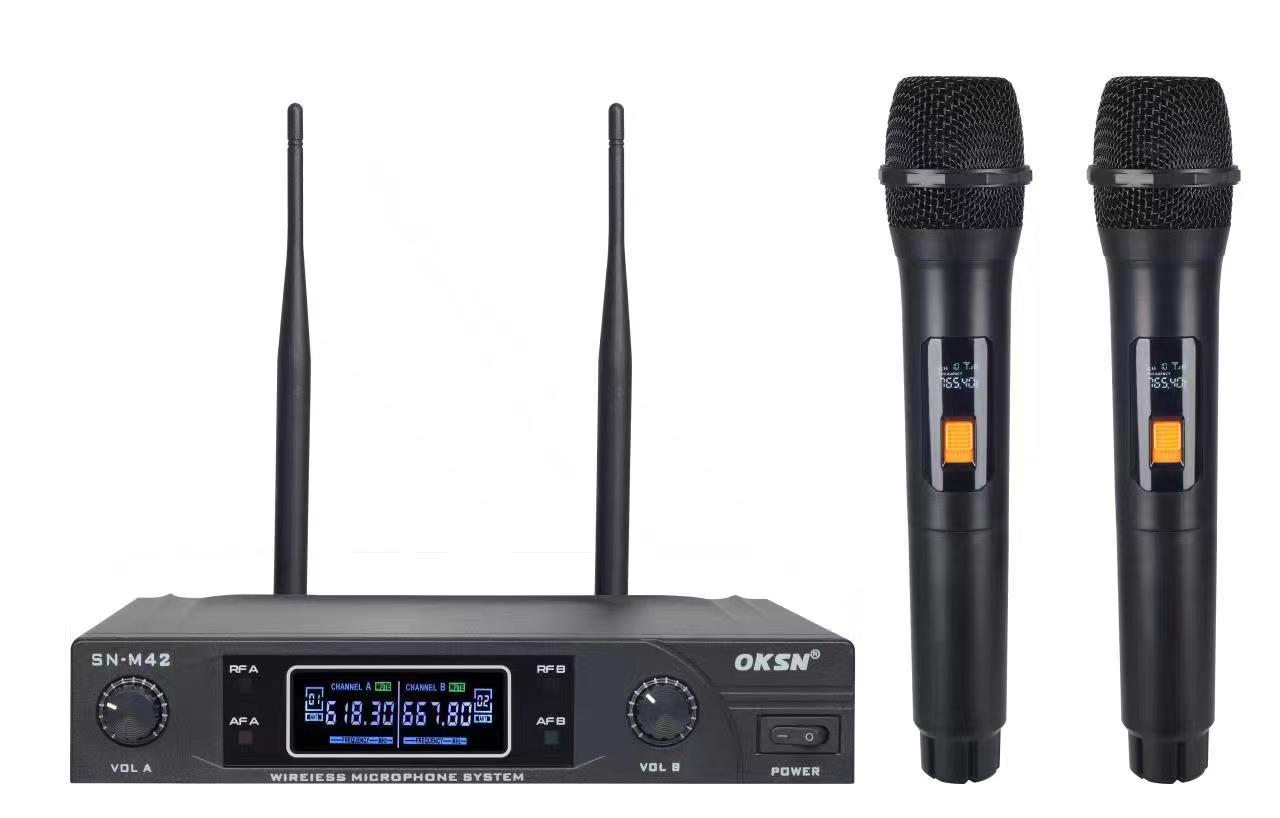
As modern technology progressed, the demand for higher movement and flexibility in audio support grew. Wireless microphones were developed to address these needs. These microphones operate without physical cords and use radio frequency (RF) or infrared (IR) modern technology to transmit audio signals to a receiver. The receiver is after that connected to a sound system, enabling the user to move around easily while keeping clear audio transmission.
Wireless microphones have actually reinvented the method entertainers, speakers, and speakers connect with their target markets. They supply the flexibility to cross the stage or venue without the limitations of cable televisions. This boosted mobility boosts the general experience for both performers and their target markets. Wireless microphones have become essential in areas such as real-time songs, movie theater, conferences, and television broadcasting.
While cordless microphones provide greater adaptability and freedom of activity, they are not without their challenges. The most significant issue is the potential for disturbance, which can break down the audio high quality or cause signal dropouts. This disturbance can occur from various resources, including other wireless gadgets, radio frequencies, or physical obstructions. To reduce these issues, it's necessary to choose a wireless microphone system with a clear regularity range and to properly handle RF interference.
In addition, wireless microphones require additional components, consisting of batteries and transmitters, which can raise the general cost of ownership contrasted to wired microphones. Battery life is a vital factor to consider, specifically in scenarios where long-duration events or performances are included. Normal battery replacement and tracking are vital to prevent unanticipated disturbances.
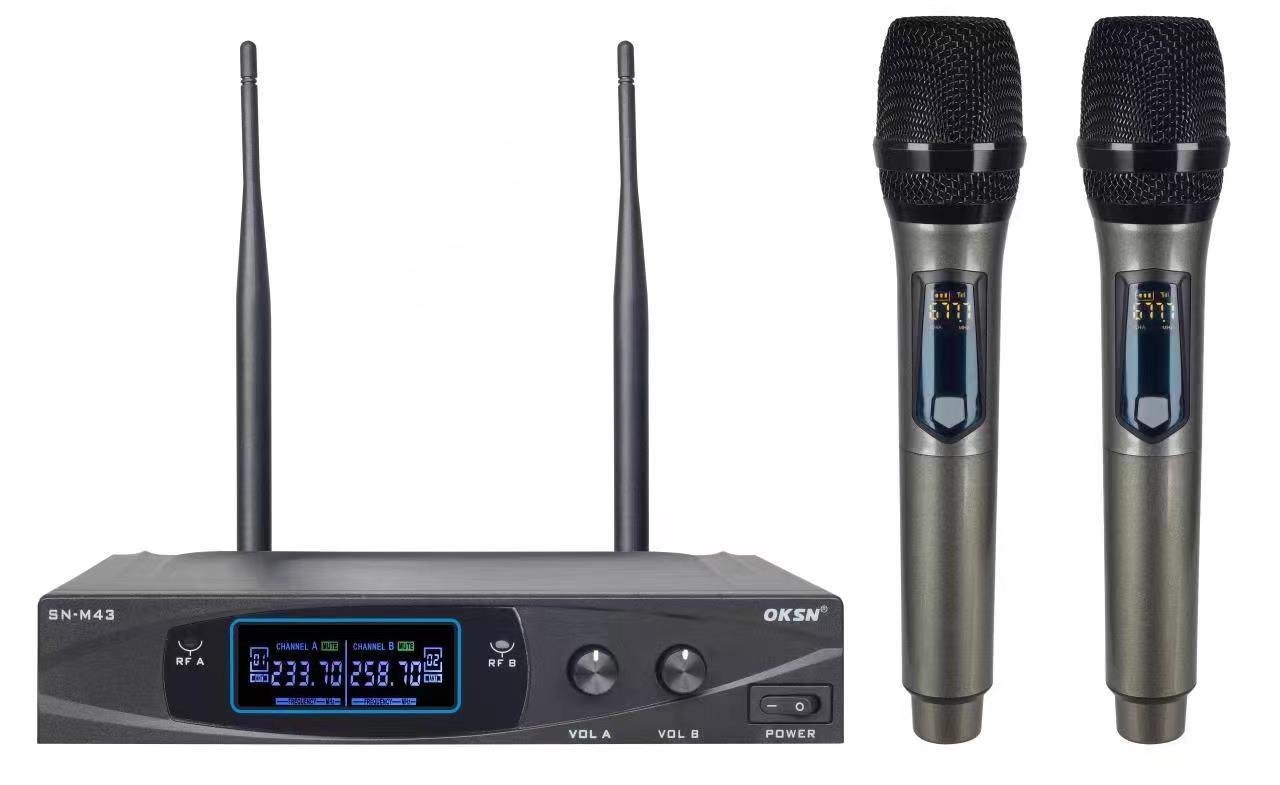
Ultra High-Frequency (UHF) wireless microphones represent the most up to date innovations in wireless microphone innovation. These systems run within the UHF frequency band, normally ranging from 470 MHz to 960 MHz. UHF wireless microphones use distinct benefits over their lower-frequency counterparts, mainly in terms of better signal top quality and disturbance resistance.
Among the substantial benefits of UHF cordless microphones is their decreased susceptibility to disturbance. The UHF band is much less crowded than lower-frequency bands, such as VHF (Very High Frequency), making it less vulnerable to signify disturbances. This particular is especially advantageous in settings where several cordless tools coexist, such as massive productions or meetings.
UHF cordless microphones likewise provide extended array, permitting entertainers and speakers to move also farther from the receiver without compromising audio top quality. This makes them a preferred selection for large outside events, where maintaining a secure link over a far away is vital. In addition, UHF systems normally supply a lot more channels and regularity choices, allowing for higher flexibility and flexibility in crowded RF environments.
Nonetheless, it's worth noting that UHF wireless microphone systems tend to be extra pricey than standard cordless systems due to their sophisticated technology. They may likewise need more intricate setup and procedure, which can be testing for less skilled users. It's crucial to carefully plan and take care of UHF systems to ensure optimum efficiency.

Worldwide of audio modern technology, the option in between wired microphones, cordless microphones, and UHF cordless microphones eventually depends on certain requirements, preferences, and spending plan constraints. Wired microphones, the pioneers of the industry, deal reputable efficiency and cost-effectiveness. Wireless microphones offer the freedom of activity, making them suitable for online performances and events. UHF wireless microphones take wireless modern technology to the following degree, offering enhanced signal top quality and resistance to disturbance.
The choice of microphone system will rely on the special demands of the situation, whether it's a rock concert, a company discussion, a transmission, or a studio recording session. As innovation continues to development, the sound market will undoubtedly see more technologies, pushing the boundaries of audio quality, mobility, and integrity. Whatever your audio demands might be, there's a microphone remedy offered to satisfy them.


