
- All
- Product Name
- Product Keyword
- Product Model
- Product Summary
- Product Description
- Multi Field Search
Views: 10 Author: Site Editor Publish Time: 2024-06-17 Origin: Site
Karaoke has become a beloved pastime worldwide, offering a unique blend of entertainment and personal expression. Whether it's a small gathering at home or a professional setup in a karaoke bar, the choice of microphone can significantly impact the experience. One of the most debated topics among karaoke enthusiasts is whether a wireless microphone is better than a wired one. This article explores the advantages and disadvantages of both wireless and wired microphones, including the gooseneck microphone, to help you make an informed decision for your karaoke needs.
Wired microphones are known for their superior sound quality. They offer a direct connection to the sound system, minimizing interference and providing a clear, crisp audio output. This is particularly important for karaoke, where vocal clarity can make or break a performance.
Wired microphones are generally more reliable than their wireless counterparts. They do not suffer from signal interference or dropouts, which can be common in wireless systems. This reliability ensures that the microphone will work consistently throughout the karaoke session.
Wired microphones are typically more affordable than wireless ones. For those on a budget, this can be a significant advantage. Additionally, there are no ongoing costs associated with batteries or maintenance for wireless transmission issues.
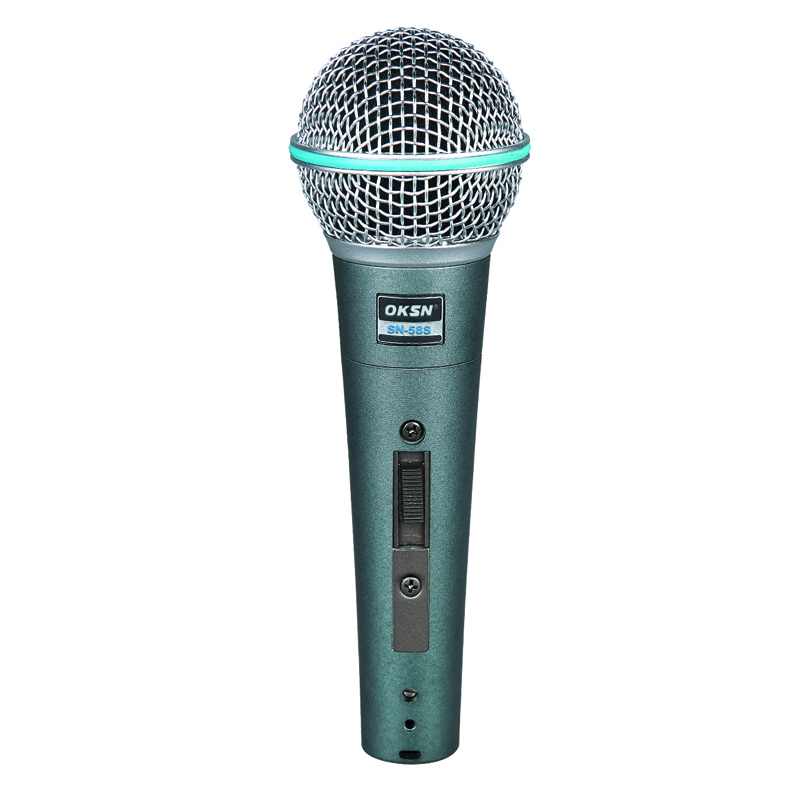
The most significant drawback of wired microphones is the restriction on mobility. Singers are tethered to the sound system, limiting their ability to move around freely. This can be a downside for energetic performers who like to dance or engage with the audience.
Cables can be cumbersome and create a tripping hazard. Proper cable management is essential to avoid accidents, which can be an additional task for the karaoke host.
The primary advantage of wireless microphones is the freedom they provide. Singers can move around the stage or room without being constrained by cables. This is particularly beneficial for dynamic performances and larger venues.

Wireless microphones are easy to set up and eliminate the need for extensive cable management. This convenience can be a significant advantage for both home karaoke setups and professional environments.
Without the clutter of cables, wireless microphones offer a cleaner, more professional appearance. This can enhance the overall ambiance of a karaoke night.
Wireless microphones can be prone to signal interference from other electronic devices. This can result in audio dropouts or unwanted noise, which can disrupt a performance.
Wireless microphones rely on batteries, which can run out unexpectedly. Keeping spare batteries on hand is essential, but this adds to the ongoing costs and maintenance.
Wireless microphone systems are generally more expensive than wired ones. This includes the initial purchase price and the cost of replacement batteries or rechargeable units.
The gooseneck microphone is a specific type of wired microphone characterized by its flexible, adjustable neck. It is commonly used in conference settings, podiums, and certain karaoke setups.
The flexible neck of the gooseneck microphone allows for precise positioning. Singers can adjust the microphone to the perfect height and angle for optimal sound capture.
Gooseneck microphones are typically mounted on a stable base, reducing the risk of handling noise. This stability can enhance the sound quality, especially in a stationary setup.
The sleek design of gooseneck microphones adds a professional touch to any karaoke setup. They are less intrusive and can blend seamlessly into the background.

Like other wired microphones, gooseneck microphones restrict the singer's movement. They are best suited for stationary use, making them less ideal for dynamic performances.
Properly positioning and securing a gooseneck microphone can be more complex than using a standard handheld microphone. This may require additional time and effort during setup.
The choice between wireless and wired microphones, including gooseneck microphones, ultimately depends on the specific needs and preferences of the karaoke setup.
Choosing the right karaoke wired microphone can make all the difference in your singing experience. A high-quality karaoke microphone ensures that your voice is captured clearly and accurately, making every performance shine. Whether you're a casual singer or a serious performer, investing in a reliable karaoke microphone is essential. From wired options that offer consistent sound quality to wireless models that provide freedom of movement, the perfect karaoke microphone can elevate your karaoke nights to a whole new level. Don't underestimate the impact a great karaoke microphone can have on your enjoyment and confidence while singing.
In a home karaoke setup, the decision often hinges on budget and convenience. Wired microphones are generally more cost-effective and offer excellent sound quality, making them a popular choice for casual karaoke sessions. However, if the performers value freedom of movement and a tidy setup, a wireless microphone might be worth the extra investment.
Professional karaoke venues need to consider the demands of multiple users and the overall experience. Wireless microphones can enhance the performance by allowing singers to move freely and engage with the audience. However, maintaining a few wired microphones as backups can ensure reliability in case of wireless issues.
Gooseneck microphones can be an excellent addition to any karaoke setup that prioritizes sound quality and professional appearance. They are particularly useful in environments where the performer remains stationary, such as a karaoke contest with judges or a setup with multiple singers taking turns.
Both wired and wireless microphones have their place in the world of karaoke. Wired microphones, including gooseneck models, offer superior sound quality, reliability, and cost-effectiveness. However, they limit mobility and require careful cable management. Wireless microphones provide the freedom to move, ease of setup, and a cleaner look but come with higher costs and potential for interference.
When choosing the right microphone for your karaoke needs, consider the specific requirements of your setup, budget, and the preferences of the performers. For those seeking a balance of quality, reliability, and affordability, the wired microphone remains a strong contender. However, for dynamic performances and professional environments, the advantages of wireless microphones can justify the investment.
For a high-quality, reliable karaoke experience, we recommend OKSN microphones. They offer a range of both wired and wireless options to suit any karaoke setup. For more information or to make a purchase, contact OKSN at sales5@oksn.com.cn


