
- All
- Product Name
- Product Keyword
- Product Model
- Product Summary
- Product Description
- Multi Field Search
Views: 4 Author: Site Editor Publish Time: 2024-06-11 Origin: Site
In today’s dynamic world of audio technology, cordless microphones have emerged as indispensable tools for professionals and enthusiasts alike. Whether you’re a musician, public speaker, educator, or performer, the convenience and flexibility offered by cordless microphone systems have revolutionized the way we communicate and entertain. In this comprehensive guide, we delve into the realm of cordless microphones, addressing common questions and shedding light on their uses, legality, compatibility, range, value, and the age-old debate of wireless versus wired mics.
The primary purpose of a cordless microphone, also known as a wireless microphone, is to liberate users from the constraints of traditional wired setups. Whether you're delivering a speech on stage, leading a fitness class, or capturing vocals in a studio, cordless microphones offer unparalleled freedom of movement without sacrificing audio quality. These devices consist of a transmitter unit, typically worn or held by the user, which wirelessly transmits audio signals to a receiver connected to a sound system or recording device. This freedom enables performers and speakers to engage with their audience more dynamically, without being tethered to a specific location.
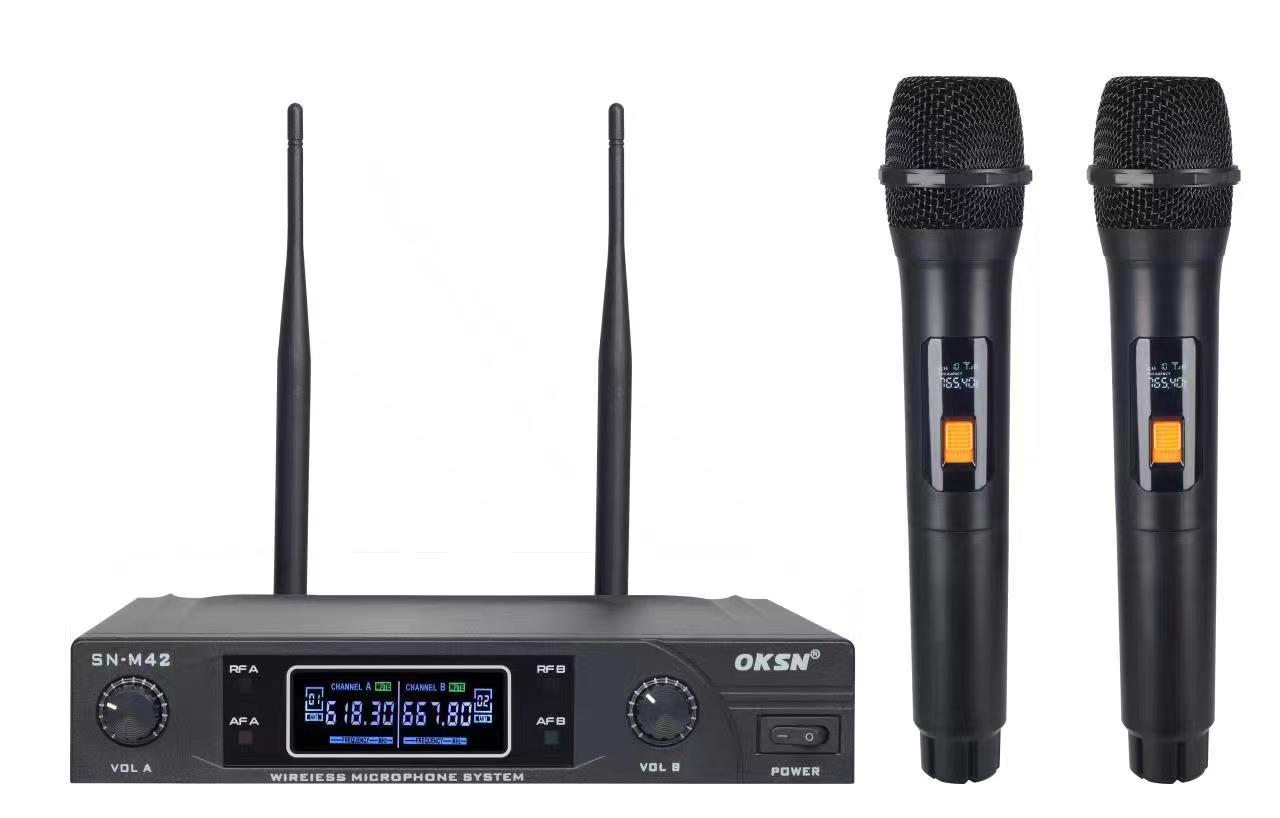
One common concern among users is the legality of operating wireless microphones. In many countries, specific frequency bands are allocated for wireless microphone use, and users must comply with regulations to avoid interference with other wireless devices, such as television broadcasts and mobile networks. However, the rules and regulations governing wireless microphone usage vary from region to region. It is crucial for users to familiarize themselves with local regulations and obtain the necessary licenses or permits if required. Adhering to these regulations ensures smooth operation and minimizes the risk of interference or legal repercussions.
While cordless microphones offer unmatched flexibility, compatibility with receivers can be a concern for users, especially when considering interoperability across different brands and models. In general, cordless microphone systems are designed to work with specific receivers manufactured by the same brand. However, many modern systems feature standardized frequency bands, such as UHF (Ultra High Frequency) or VHF (Very High Frequency), which increase compatibility with a wide range of receivers. Additionally, advancements in wireless technology have led to the development of universal receivers that can accommodate multiple microphone systems, further enhancing compatibility and versatility.
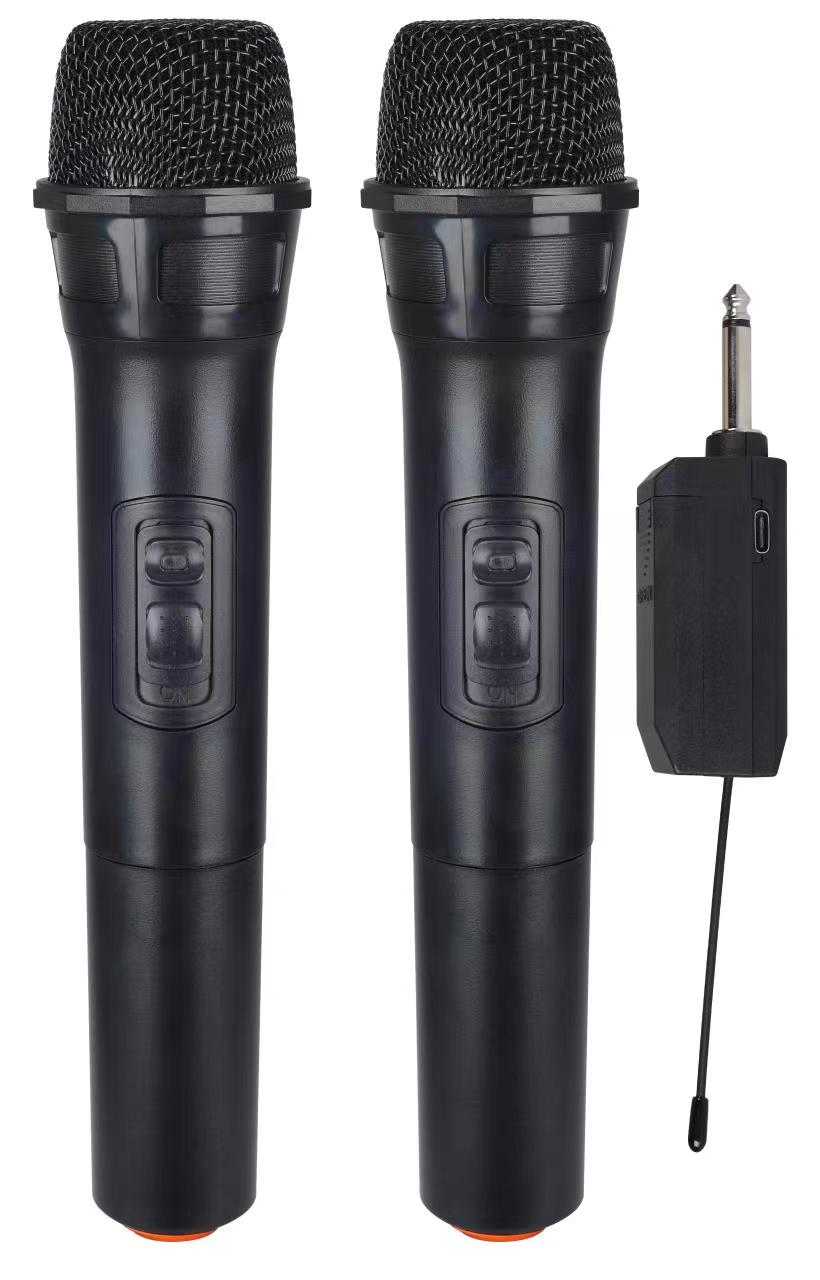
The range of a wireless microphone refers to the maximum distance between the transmitter and receiver within which reliable signal transmission is maintained. The effective range of a wireless microphone system can vary depending on factors such as frequency band, transmitter power, antenna configuration, and environmental conditions. In optimal conditions, high-quality wireless microphone systems can achieve ranges of up to several hundred feet. However, obstacles such as walls, interference from other electronic devices, and signal degradation over distance can impact the effective range. Users should consider these factors when selecting a wireless microphone system to ensure optimal performance in their specific application.
The value proposition of wireless microphones ultimately depends on the user's specific needs and preferences. For professionals and performers who require freedom of movement on stage or in large venues, the convenience and flexibility offered by cordless microphones justify the investment. Similarly, educators, fitness instructors, and public speakers benefit from the ability to engage with their audience without being tethered to a podium or microphone stand. However, for applications where mobility is not a primary concern, such as studio recording or fixed installations, wired microphones may offer comparable performance at a lower cost. Ultimately, the decision to invest in wireless microphones depends on the user's budget, intended use, and desired level of convenience.
The age-old debate of wireless versus wired microphones continues to divide opinions among audio enthusiasts. While both technologies have their merits, each excels in different applications. Wired microphones are renowned for their reliability, consistent performance, and affordability, making them ideal for studio recording, podcasting, and fixed installations where mobility is not a priority. On the other hand, wireless microphones offer unmatched freedom of movement, making them indispensable for live performances, events, and presentations where mobility and flexibility are paramount. Ultimately, the choice between wireless and wired microphones boils down to the user's specific requirements and preferences.
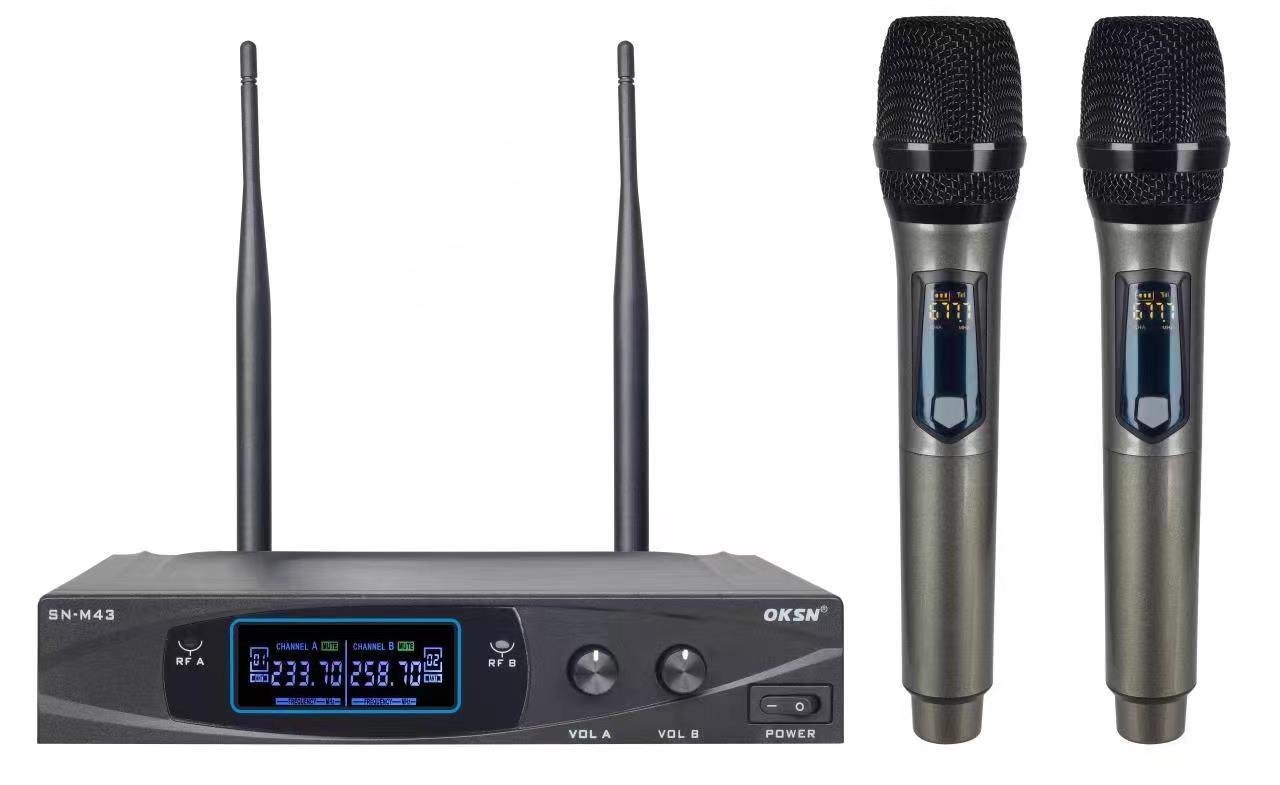
In the realm of audio technology, the wireless microphone cordless stands as a beacon of freedom and flexibility. Unlike their wired counterparts, wireless microphone cordless systems liberate performers from the constraints of tangled cables and stationary setups. With a wireless microphone cordless in hand, speakers, musicians, and presenters can roam the stage with confidence, knowing that their voice will reach every corner of the room.
The beauty of the wireless microphone cordless lies in its simplicity and convenience. Gone are the days of tripping over cables or being restricted to a limited range of motion. With a reliable wireless microphone cordless system, users can amplify their voice or instrument without being tethered to a specific location. Whether delivering a keynote address, leading a worship service, or rocking out on stage, the wireless microphone cordless ensures crystal-clear audio transmission, free from interference or dropout.
In conclusion, cordless microphones have revolutionized the way we communicate, entertain, and perform. From their unparalleled freedom of movement to their compatibility with a wide range of applications, wireless microphone systems have become essential tools for professionals and enthusiasts across various industries. By understanding their uses, legality, compatibility, range, value, and the wireless versus wired debate, users can make informed decisions when selecting the right microphone system for their needs. Whether you're a seasoned performer or a budding enthusiast, the power of cordless microphones awaits you.
For high-quality cordless microphone sets that combine cutting-edge technology with exceptional performance, explore our range at sales5@oksn.com.cn Experience the freedom of wireless audio with Oksn.
Recommendation:
For high-quality cordless microphone sets that combine cutting-edge technology with exceptional performance, explore our range at sales5@oksn.com.cn Experience the freedom of wireless audio with Oksn.


