
- All
- Product Name
- Product Keyword
- Product Model
- Product Summary
- Product Description
- Multi Field Search
Views: 9 Author: Site Editor Publish Time: 2024-06-24 Origin: Site
When it comes to producing high-quality audio, whether for music production, podcasts, live events, or broadcasting, the right equipment can make all the difference. Among the various tools and gadgets available to audio professionals, the sound mixer stands out as a crucial component. But do you really need an audio mixer? This article explores the importance of sound mixers, the different types available, and why you might consider adding one to your setup.
A sound mixer, also known as an audio mixer, is a device used to combine, balance, and control different audio signals. These signals can come from microphones, instruments, playback devices, or other sound sources. Mixers are essential in both live sound environments and recording studios, enabling audio engineers to create a harmonious blend of sounds.
There are several types of sound mixers, each serving different purposes and offering various features:
Analog Mixers: These are traditional mixers that use analog circuitry to process audio signals. They are known for their warm sound quality and are often preferred by audiophiles and professionals in music production.
Digital Mixers: Digital mixers convert audio signals into digital data, allowing for more precise control and additional features like built-in effects, automation, and recall of settings. They are popular in both live and studio environments due to their versatility and convenience.
Powered Mixers: These mixers come with built-in amplifiers, making them ideal for live sound setups where space and portability are important. They reduce the need for external amplifiers, simplifying the setup process.
USB Mixers: USB mixers are designed to connect directly to a computer, making them perfect for home studios, podcasts, and streaming. They often feature built-in audio interfaces for easy recording and playback.
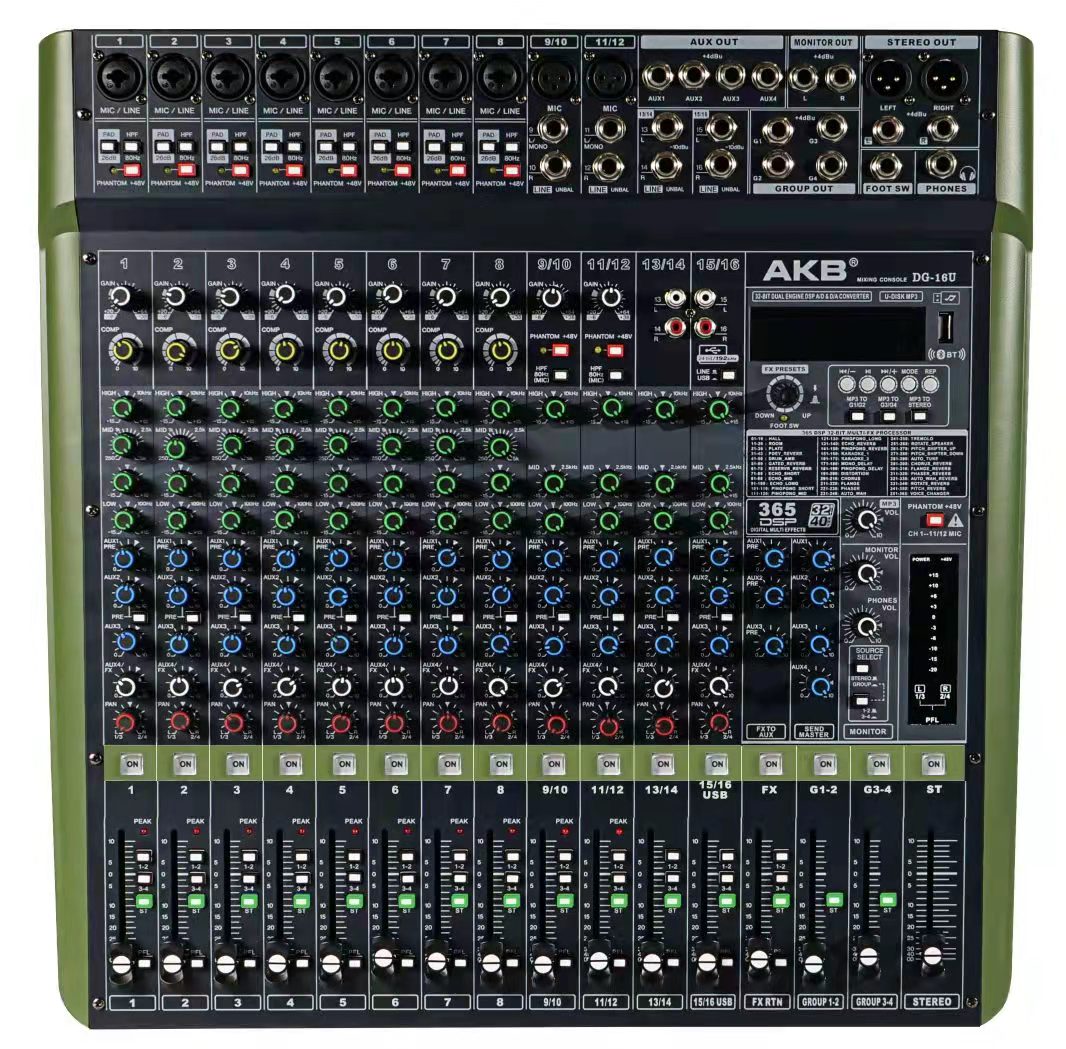
When choosing a sound audio mixer, it’s important to consider the features that best suit your needs. Here are some key aspects to look for:
Number of Channels: The number of channels determines how many audio sources you can mix simultaneously. For example, a 4 channel sound mixer allows you to mix up to four different audio signals at once. This is ideal for small bands, podcasts with multiple hosts, or simple live sound setups.
EQ and Effects: Equalization (EQ) controls allow you to adjust the bass, midrange, and treble frequencies of each channel. Many mixers also come with built-in effects like reverb, delay, and compression, which can enhance the overall sound quality.
Routing Options: The ability to route audio signals to different outputs is crucial, especially in complex setups. Look for mixers with multiple aux sends, subgroup outputs, and direct outs to maximize your routing flexibility.
Portability: If you need to move your mixer frequently, consider its size and weight. Compact and lightweight models are easier to transport and set up for mobile applications.
Build Quality: Durability is important, especially for mixers used in live sound environments. Look for mixers with sturdy construction and reliable components to ensure longevity and dependable performance.
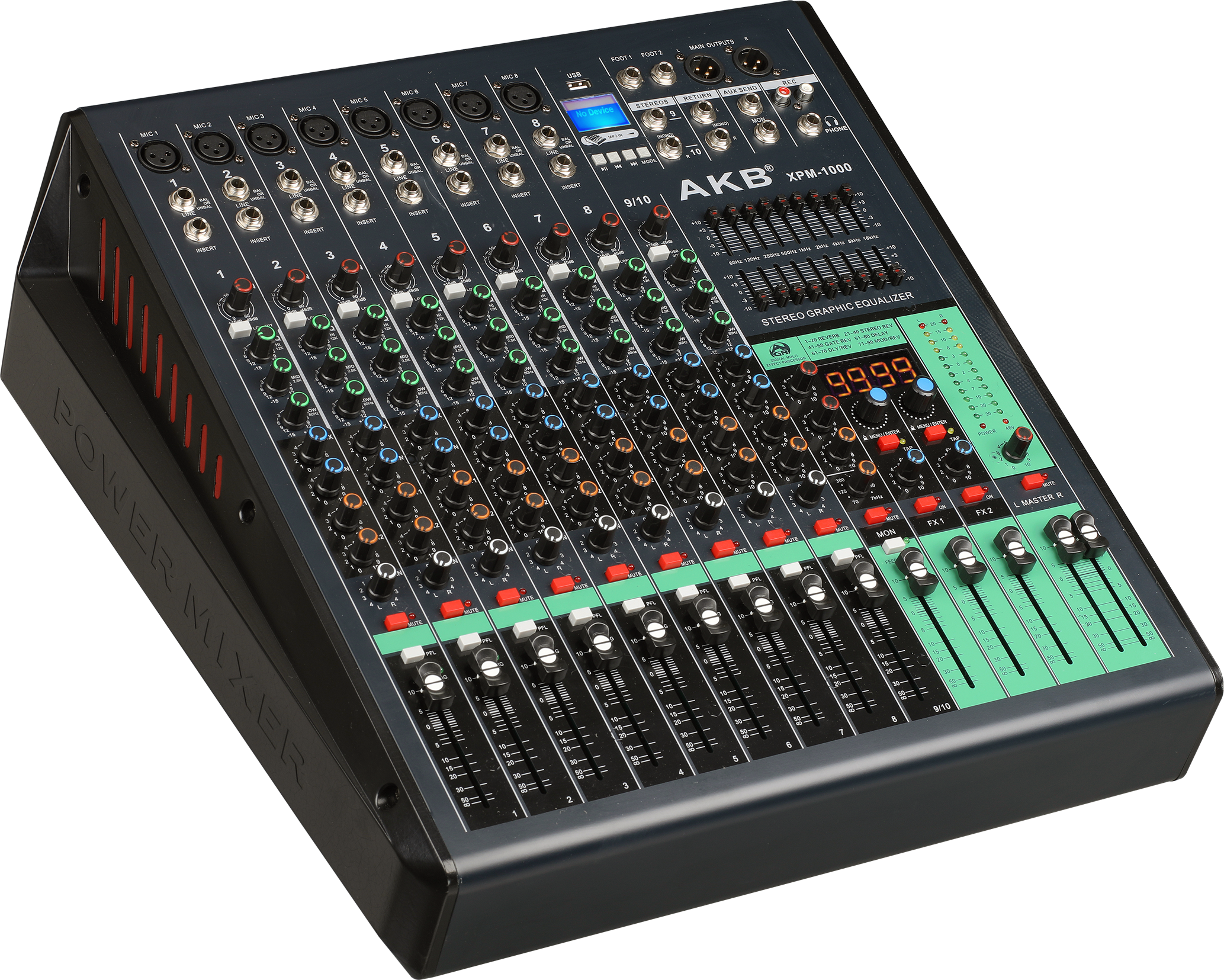
The necessity of a sound mixer depends on your specific audio needs and setup. Here are some scenarios where a sound mixer is invaluable:
Live Sound Reinforcement: In live sound situations, such as concerts, theater productions, and public speaking events, a sound mixer is essential for balancing the audio levels of multiple microphones and instruments. It ensures that the audience hears a clear and well-mixed sound.
Recording Studios: In a recording studio, a sound mixer allows you to combine multiple audio sources, apply effects, and adjust levels to create a polished final product. Whether you’re recording music, podcasts, or voiceovers, a mixer provides the control needed to achieve professional-quality recordings.
Broadcasting and Streaming: For broadcasters and streamers, a sound mixer enables you to manage different audio sources, such as microphones, music, and sound effects, ensuring a smooth and professional-sounding broadcast.
Podcasts and Home Studios: Even in a home studio setup, a sound mixer can be incredibly useful. It allows you to control the audio levels of different hosts and guests, add effects, and ensure that your recordings sound clear and balanced.
Multi-Source Audio Projects: Any project that involves multiple audio sources, such as film production or multimedia presentations, benefits from the use of a sound mixer. It provides the necessary tools to blend and balance the audio, creating a cohesive final product.
If you’ve determined that a sound mixer is essential for your setup, the next step is choosing the right one. Here are some tips to help you make the best choice:
Assess Your Requirements: Consider the type of projects you’ll be working on and the number of audio sources you need to manage. This will help you decide on the number of channels and features you require.
Set a Budget: Sound mixers come in a wide range of prices, so it’s important to set a budget that reflects your needs and financial constraints. Remember that while more expensive models often offer more features, there are plenty of affordable options that provide excellent performance.
Read Reviews and Seek Recommendations: Research different models and read reviews from other users. Seeking recommendations from professionals in your field can also provide valuable insights into which mixers are reliable and best suited for your needs.
Consider Future Growth: Think about your future needs and whether the mixer you choose will accommodate potential expansions of your setup. It’s often wise to choose a mixer with more channels and features than you currently need to allow for growth.
In conclusion, whether or not you need a sound mixer depends on your specific audio needs and the complexity of your projects. For many audio professionals and enthusiasts, a sound mixer is an indispensable tool that enhances control, flexibility, and sound quality. By carefully assessing your requirements and choosing the right mixer, you can significantly improve the audio experience for your audience or clients.
For those looking to invest in a reliable and versatile sound mixer, we highly recommend checking out the options available from OKSN. Their range of mixers, including 4 channel sound mixers, offers excellent performance and value for various audio applications. For more information and to find the perfect mixer for your needs, visit their website or contact them at sales5@oksn.com.cn


