
Views: 9 Author: Site Editor Publish Time: 2024-05-14 Origin: Site
In the world of audio production, having a solid understanding of sound mixers is paramount. Whether you're a budding musician, a DJ, or a sound engineer, knowing how to set up and operate a 4 channel sound mixer can greatly enhance your audio projects. In this guide, we'll delve into the intricacies of setting up a sound mixer board, specifically focusing on digital sound mixers, to help you achieve professional level sound quality.
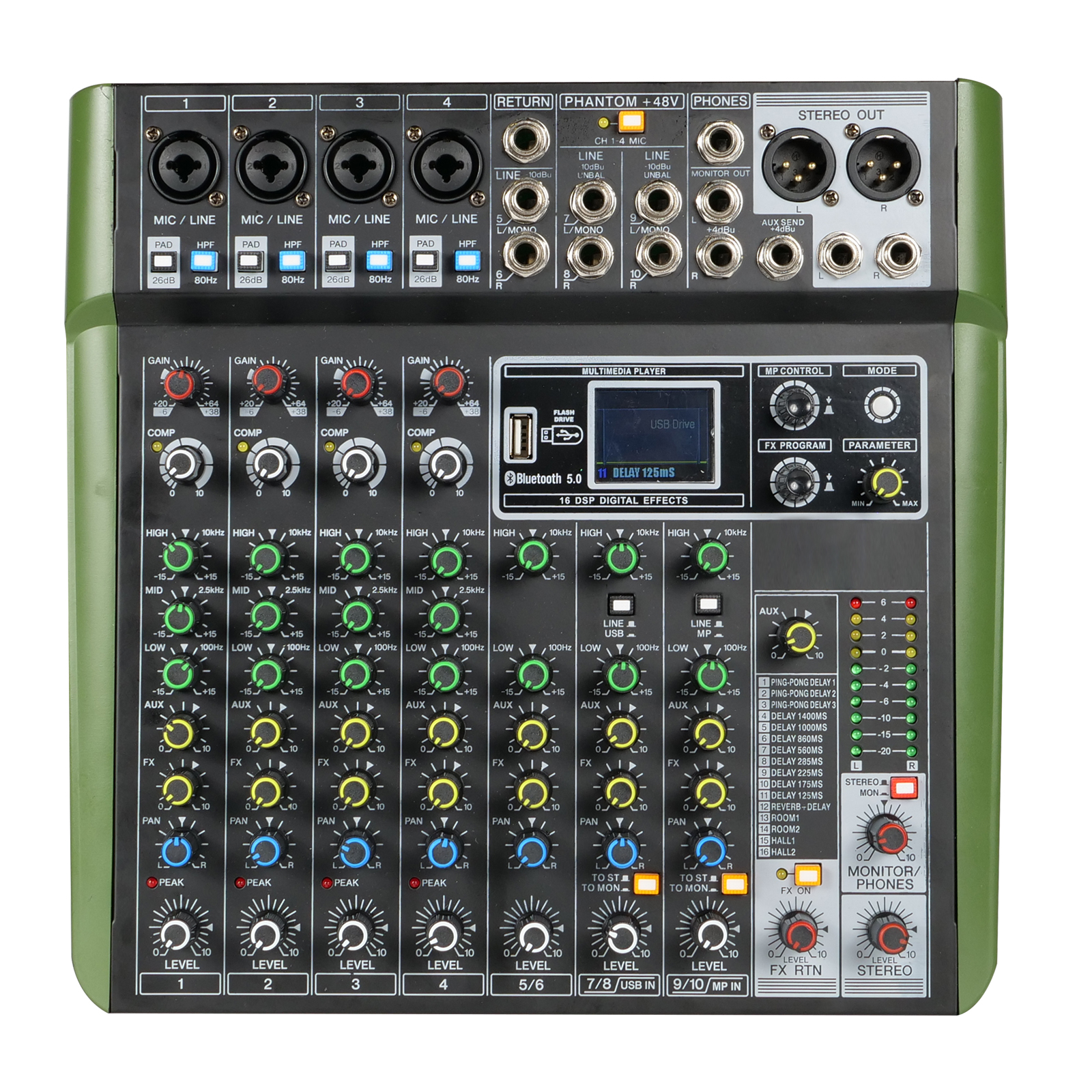
Before diving into the setup process, it's crucial to understand the fundamental components of a sound mixer. A 4 channel sound mixer, as the name suggests, allows you to mix audio signals from up to four different sources simultaneously. These sources could include microphones, instruments, playback devices, or any other audio input.
Most 4 channel sound mixers feature a similar layout, consisting of input channels, faders, EQ controls, and output options. Each input channel typically includes gain knobs to adjust the input level, EQ controls for shaping the tone, and auxiliary sends for adding effects or monitoring. The faders control the volume levels of each channel, while the master fader regulates the overall output volume.
The sound mixer board serves as the central hub for controlling and shaping audio signals in various applications. Whether in a recording studio, live sound setup, or DJ booth, the sound mixer board allows users to blend multiple audio sources seamlessly. With its array of input channels, EQ controls, and faders, the sound mixer board empowers users to craft the perfect sonic balance for any situation. Its intuitive layout and versatile functionality make it an indispensable tool for audio professionals and enthusiasts alike.
Connect your audio sources: Begin by connecting your microphones, instruments, or playback devices to the corresponding input channels on the mixer. Ensure that each connection is secure to prevent signal loss or interference.
Adjust input levels: Use the gain knobs on each channel to adjust the input levels according to the audio source. Aim for a healthy signal level without clipping or distortion.
Shape your sound: Experiment with the EQ controls on each channel to tailor the sound to your liking. Adjust the low, mid, and high frequencies to achieve the desired tonal balance.
Mixing and balancing: Use the faders to balance the volume levels of each channel in the mix. Pay attention to the relative levels and make adjustments as necessary to achieve a cohesive sound.
Monitor your mix: Utilize the headphone output or monitor speakers to listen to your mix in real time. This allows you to hear any potential issues and make adjustments on the fly.
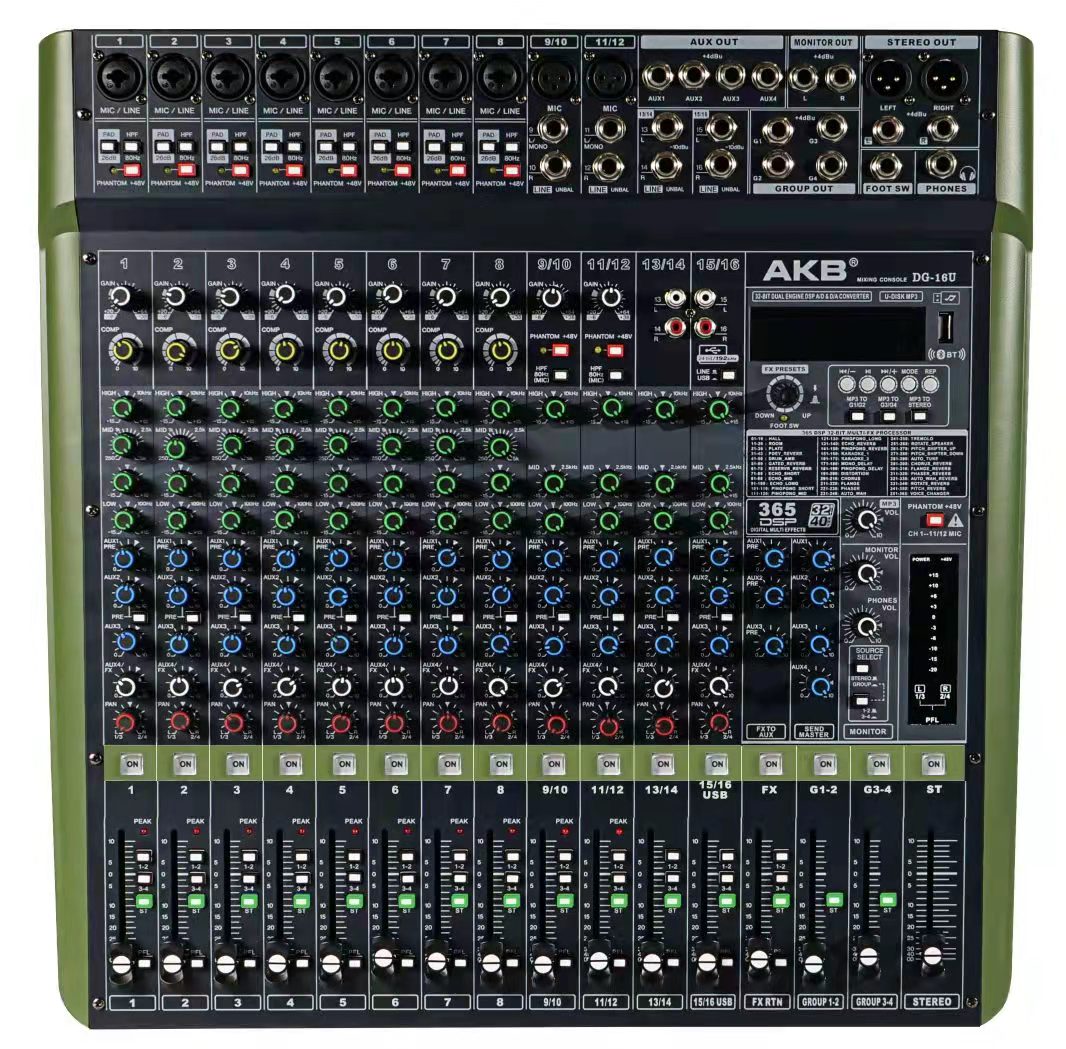
Unlike traditional analog mixers, digital sound mixers offer a host of additional features and benefits. These may include built in effects processors, digital signal processing, and the ability to save and recall presets. Digital mixers also often feature intuitive user interfaces, making them ideal for both beginners and experienced professionals alike.
When it comes to choosing the right sound mixer for your needs, Oksn offers a range of high quality products designed to meet the demands of modern audio production. Their digital sound mixers combine versatility, reliability, and affordability, making them an excellent choice for musicians, DJs, and audio enthusiasts alike.
To explore Oksn's range of sound mixers and other audio equipment, visit their website or contact Sales5@oksn.com.cn for more information.
Setting up a 4 channel sound mixer doesn't have to be daunting. By following the steps outlined in this guide and familiarizing yourself with the basics of sound mixing, you can unlock endless creative possibilities in your audio projects. Whether you're recording music, mixing live sound, or DJing at a club, mastering the art of sound mixing is sure to take your productions to the next level.
Exhibition Name: The 124th Canton Fair Booth number:5.1 L31 Date:15-19 Oct. 2018 Address: China export&import commodity exhibition center ( Pazhou pavilion)
Dear Sirs /Madam:We hereby sincerely invite you and your company representatives to visit our booth at the Canton Fair from April 15th to 19th on 2019.It would be a great pleasure to meet you at the exhibition .We expect to establish long-term business relations with your company in future .Exhibiti
OKSN Electronics Technology Co. Ltd.was established in 1997. It lies in the microphone production base--En'ping City, Guangdong Province, China.Our factory is a professional manufacturer for microphone integrated with designing,investment,produce and sell. The products include wire/wireless microp
A professional audio setup requires three core components working in harmony: an audio mixer to blend and control sound sources, a power amplifier to drive your speakers, and a wireless microphone system to capture vocals or instruments without cable restrictions. Choosing the right combination depe
China has become a leading global source for professional audio equipment, including audio mixers, karaoke microphones, and power amplifiers. Manufacturers like OKSN Electronics, based in Enping, Guangdong, produce high-quality gear that rivals Western brands—at highly competitive price points. This
What Is an Audio Mixer? A Complete Guide to Sound MixersTL;DR: An audio mixer is a device that combines, adjusts, and routes multiple audio signals into a single output. Sound mixers range from compact 4-channel units for home studios to professional audio mixers used in live events and broadcast pr
A karaoke microphone is a handheld wireless or wired microphone designed to deliver clear, feedback-resistant vocal audio in home, KTV, and stage settings. Cordless karaoke microphones—typically operating on UHF bands between 500 MHz and 865 MHz—offer the most flexibility, with modern systems reachi
Audio Mixer, Sound Mixer, Power Mixer: What's the Difference?Quick answer: An audio mixer combines and controls multiple sound signals into a single output. Sound mixer is simply another name for the same device. A power mixer adds a built-in amplifier to that setup. Choosing the right type depends
A pro audio power amplifier boosts low-level audio signals to drive speakers at performance-ready volume levels. Choosing the right one depends on your output power needs, venue size, impedance compatibility, and audio quality standards like THD and S/N ratio. This guide covers everything you need t
Mixing Console vs. Sound Mixer vs. Power Mixer: What's the Difference?Quick answer: A mixing console, sound mixer, and power mixer all blend multiple audio signals—but they differ in built-in amplification, channel count, and intended use. A power mixer includes a built-in amplifier, while a standar
A professional audio sound mixer takes multiple audio signals, balances their levels, and combines them into a single output. For home recording, a compact USB mixer like the Z-4 is ideal, while live venues and large broadcast setups benefit from high-capacity mixing consoles like the 16-channel DG-
Choosing the right audio sound mixer and wireless microphone system depends on your use case—live performances, karaoke, conferencing, or studio recording. This guide breaks down the key product types, their specifications, and how to match them to your specific audio needs.Getting your audio setup
The best wireless microphone system depends on your specific application. For stage performances and singing, choose a dual-channel UHF cordless microphone like the SN-U93. For corporate environments, select a dedicated conference microphone system. Always source your gear from an established microp
Building a reliable sound system requires pairing a professional audio mixer with frequency-hopping wireless microphones and robust power amplifiers. Choosing equipment from a reputable China Microphone Factory ensures access to advanced features, like 16 DSP effectors and 60-meter coverage ranges,
Choosing the right audio equipment requires matching the system to your specific environment. Use UHF wireless microphones like the OKSN SN-P950 for teaching and stage performances. Select a dedicated conference room mic like the AB-222 for corporate meetings, and rely on a wireless in ear monitor s
Upgrading your audio setup requires matching specific microphones and mixers to your exact use case. Gooseneck microphones excel in corporate conferences, dynamic wired microphones provide reliable stage performances, and professional audio sound mixers bridge the gap for PC and live sound integrati
Live performances and studio recording sessions demand precise audio control. Capturing the perfect sound requires reliable equipment that seamlessly blends multiple audio signals. A top-tier mixing console serves as the heart of your audio ecosystem, routing microphones, instruments, and playback d