
- All
- Product Name
- Product Keyword
- Product Model
- Product Summary
- Product Description
- Multi Field Search
Views: 3 Author: Site Editor Publish Time: 2024-02-05 Origin: Site
In the realm of audio equipment, the power and versatility of amplifiers play a pivotal role in shaping the sonic experience. Among the myriad options available, the 400-watt and 200-watt amplifiers stand out as powerful contenders, while cordless microphones add an element of freedom for performers. In this exploration, we delve into the intricacies of these amplifiers, unraveling their capabilities and applications, and subsequently, we'll examine the revolutionary impact of cordless microphones on the stage.
Understanding the Dynamics of a 400-Watt Amp:

A 400-watt amp lifier is a formidable force in the audio world, offering a substantial power output that can drive sound through larger venues and ensure clarity even at higher volumes. These amplifiers are ideal for musicians performing in larger spaces, such as concert halls or outdoor stages. With their robust capabilities, 400-watt amps can handle a variety of instruments, including electric guitars, bass guitars, keyboards, and even vocals.
One of the key advantages of a 400-watt amp lies in its ability to provide headroom, ensuring that the amplifier doesn't distort when pushed to its limits. This headroom is crucial for maintaining the integrity of the sound, especially during dynamic performances where sudden peaks in volume occur. Musicians who thrive in genres like rock, metal, or electronic music often appreciate the commanding presence and clarity that a 400-watt amp brings to their performances.
The Versatility of a 200-Watt Amp:

For those seeking a balance between power and portability, a 200-watt amplifier emerges as an attractive option. A 200-watt amp may be more suitable for smaller venues, studio recording, or practice sessions. Despite its lower power rating compared to a 400-watt amp, a 200-watt amplifier still offers ample volume for most performance scenarios.
One of the advantages of a 200-watt amp is its versatility across various musical genres and settings. Musicians involved in jazz, blues, or acoustic performances find the 200-watt range to be more than sufficient to deliver a nuanced and articulate sound. Additionally, these amplifiers are often more compact and lighter, making them easier to transport and set up.
Choosing between a 400-watt and a 200-watt amp ultimately depends on the specific needs and preferences of the musician. Factors such as venue size, musical genre, and desired portability all play a crucial role in making this decision.
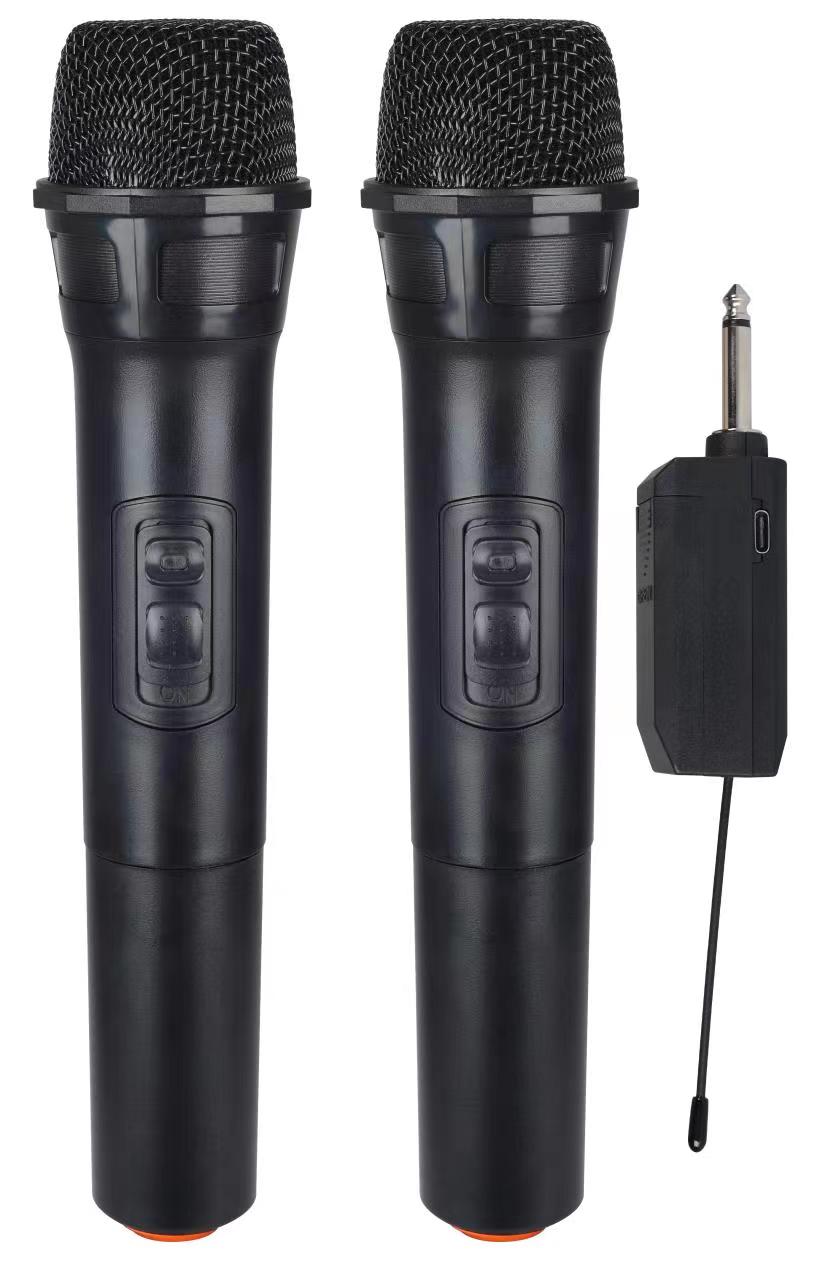 The Liberating Experience of Cordless Microphones:
While amplifiers are the backbone of a powerful sound system, the way performers interact with their audience is equally important. Enter cordless microphones, the game-changer in live performances. Traditional wired microphones limit the mobility of performers, restricting their movement on stage. Cordless microphones eliminate this constraint, offering freedom of movement without sacrificing audio quality.
Cordless microphones, also known as wireless microphones, operate using radio frequency (RF) technology. This technology enables the transmission of audio signals from the microphone to a receiver without the need for physical cables. This innovation has revolutionized live performances, allowing singers, presenters, and performers to engage with their audience more intimately.
The advantages of cordless microphones extend beyond the physical freedom they provide. Performers can move seamlessly across the stage, interact with the audience, and express themselves without being tethered to a mic stand. This dynamic interaction enhances the overall impact of the performance, creating a more immersive experience for both the artist and the audience.
Additionally, cordless microphones contribute to a cleaner and more organized stage setup. Without the clutter of cables, the stage appearance becomes more professional, and setup and teardown times are significantly reduced. This efficiency is especially crucial in fast-paced events or when multiple acts are sharing the stage.
However, it's important to note that the choice of a cordless microphone should be made carefully, considering factors such as frequency range, battery life, and signal stability. Interference from other electronic devices or radio signals can affect the performance of a cordless microphone, so selecting a model with robust signal processing capabilities is essential.
Integration for Optimal Performance:
To harness the full potential of a live performance, integrating both amplifiers and cordless microphones seamlessly is imperative. The synergy between these components ensures a harmonious and powerful sound that captivates the audience.
When pairing amplifiers with cordless microphones, it's crucial to consider compatibility and signal routing. Some amplifiers come equipped with built-in wireless receivers, simplifying the setup process. Alternatively, external wireless receivers can be connected to the amplifier to accommodate cordless microphones.
It's also important to note that the placement of wireless receivers and the choice of frequencies play a role in minimizing interference and ensuring a stable connection. Performing soundchecks and rehearsals are essential steps in fine-tuning the setup to achieve optimal audio quality.
In the ever-evolving landscape of audio technology, the choice of amplifiers and microphones significantly influences the quality and impact of live performances. The power and versatility of 400-watt and 200-watt amplifiers cater to the diverse needs of musicians, spanning different genres and performance environments. Meanwhile, cordless microphones liberate performers from the constraints of cables, offering a dynamic and immersive experience for both artists and audiences.
As technology continues to advance, musicians are presented with an array of tools to elevate their craft. Whether opting for the commanding presence of a 400-watt amp, the versatility of a 200-watt amp, or the freedom of a cordless microphone, the key is to strike a balance that aligns with the artist's vision and the nature of the performance. In this sonic journey, the marriage of power, versatility, and freedom unfolds, creating an audio experience that resonates and lingers in the hearts of listeners.


