
- All
- Product Name
- Product Keyword
- Product Model
- Product Summary
- Product Description
- Multi Field Search
Views: 4 Author: Site Editor Publish Time: 2024-09-26 Origin: Site
In the realm of audio technology, the debate between wireless and wired microphones is a topic that continues to intrigue both professionals and enthusiasts. This comparison isn't merely about preference; it involves weighing the tangible benefits and potential drawbacks of each type. As technology continues to advance, understanding these differences is crucial for making informed decisions based on specific needs.
Wireless microphones, such as the Alpowl wireless microphone, have gained popularity due to their convenience and flexibility. Without the tether of a cable, performers and speakers can move freely, which is particularly advantageous in dynamic settings like stage performances, conferences, and fitness instruction. However, this freedom comes at a cost, primarily in terms of reliability and battery management.
Wired microphones, on the other hand, are renowned for their reliability. The direct connection ensures consistent sound quality without the risk of interference from other wireless devices. However, they bring their own set of challenges, such as mobility restrictions and the potential for physical damage to cables.

When discussing reliability, wired microphones often take the lead. The direct connection to sound equipment means there is minimal risk of signal dropouts or interference, which can be critical in professional audio settings. This reliability is why wired microphones remain a staple in recording studios and broadcast environments.
Conversely, wireless microphones require careful management of batteries to maintain consistent performance. The risk of a battery running out mid-performance is a legitimate concern, necessitating regular checks and backups. Moreover, wireless microphones can be susceptible to signal interference from other wireless devices, which might disrupt a seamless performance.
The most significant advantage of wireless microphones is undoubtedly the freedom they provide. Whether using a microphone headset wireless for a fitness class or wireless earbuds with microphone for a virtual meeting, the absence of cables means users can move freely without entanglement or tripping hazards. This mobility is particularly beneficial in large venues or outdoor events where cable length would otherwise limit movement.
Additionally, advancements in wireless technology have significantly improved sound quality, narrowing the gap between wired and wireless options. Modern wireless microphones often feature sophisticated encryption and frequency-hopping technologies that help minimize interference and ensure a stable connection.
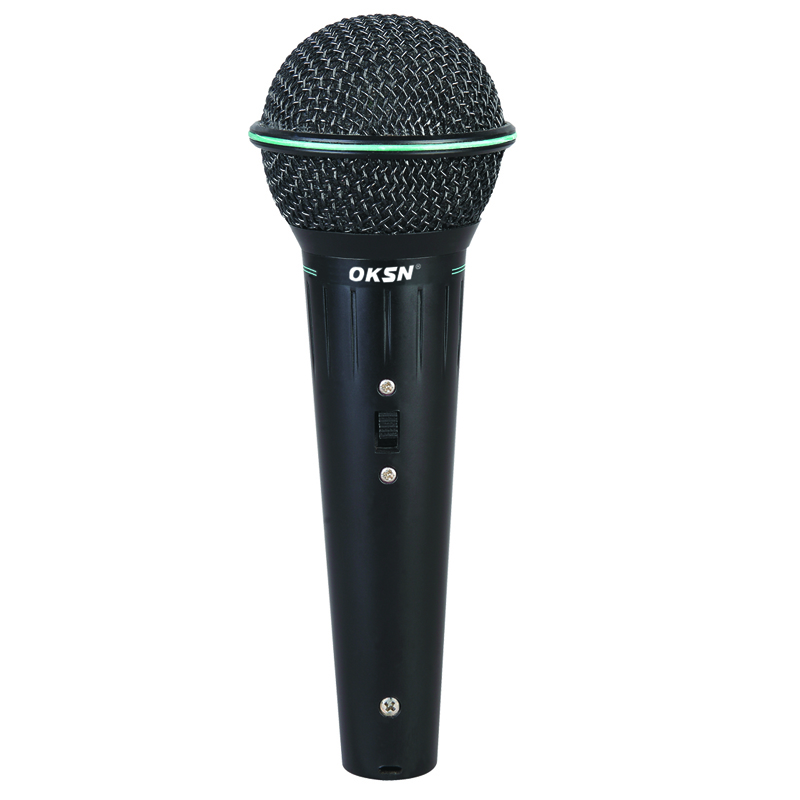
Sound quality remains a critical factor in the microphone debate. Wired microphones traditionally offer superior sound fidelity, making them the preferred choice for audiophiles and sound engineers who require the utmost clarity and detail. The lack of wireless transmission means there is no compression or potential loss of audio data, which can occur with wireless systems.
However, the gap in sound quality is closing as wireless technology advances. High-end wireless microphones now offer exceptional sound quality that rivals their wired counterparts, thanks to improvements in audio codecs and transmission technologies. Brands like Alpowl have embraced these innovations, ensuring that their wireless microphones deliver high-quality sound suitable for various applications.
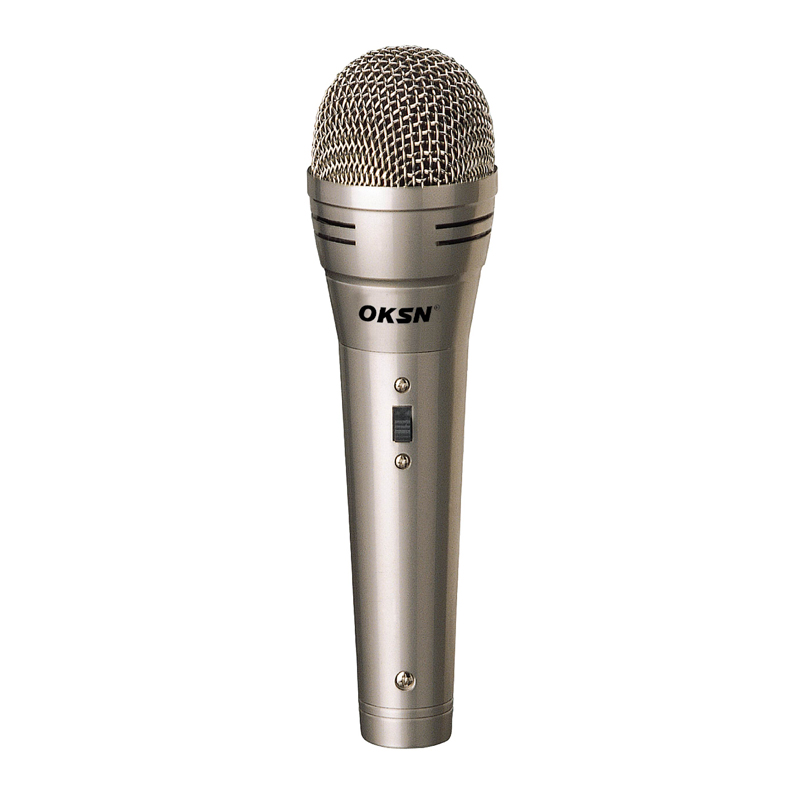
When it comes to durability, both wired and wireless microphones have their strengths and weaknesses. Wired microphones are physically robust, but the cables can be susceptible to wear and tear, such as fraying, tangling, or damage from being stepped on.
Wireless microphones eliminate the cable issue entirely, but they introduce the need for battery maintenance. Regular battery checks and replacements are necessary to prevent unexpected outages during use. Additionally, wireless systems require careful frequency management to avoid interference, especially in environments with multiple wireless devices.
The decision between a wired and wireless microphone ultimately depends on the specific needs and priorities of the user. For stationary applications where reliability is paramount, such as studio recording or broadcasting, a wired microphone may be the best choice. However, for scenarios demanding mobility, such as live performances, lectures, or athletic coaching, a wireless microphone offers unmatched convenience and freedom.
For those seeking versatile and reliable microphone solutions, OKSN offers a range of products designed to meet diverse audio needs. Whether you're in the market for a high-quality alpowl wireless microphone, a microphone headset wireless for active use, or wireless earbuds with a microphone for seamless communication, OKSN has you covered.
OKSN is committed to providing top-notch audio equipment that combines innovation with reliability. To explore their comprehensive product offerings and find the perfect microphone solution for your needs, reach out to their experienced team. You can contact them at sales5@oksn.com.com or by calling +86-13631812722. Their dedication to customer satisfaction ensures that you'll receive expert guidance and support to choose the best microphone for your specific requirements.
In conclusion, the choice between wireless and wired microphones involves a careful consideration of factors such as reliability, mobility, sound quality, and maintenance. As technology continues to evolve, both options offer compelling advantages tailored to different applications. By understanding these nuances, users can select the microphone that best aligns with their needs, ensuring optimal performance and satisfaction in their audio endeavors.


