
- All
- Product Name
- Product Keyword
- Product Model
- Product Summary
- Product Description
- Multi Field Search
Views: 11 Author: Site Editor Publish Time: 2025-03-06 Origin: Site
In the world of audio technology, few tools have stood the test of time as steadfastly as the wired microphone. Despite the rise of wireless alternatives and the increasing popularity of Bluetooth-enabled devices, the wired microphone remains a cornerstone of sound recording, live performances, and professional broadcasting. Its reliability, simplicity, and superior audio quality have ensured its continued relevance in an ever-evolving industry. This article explores the history, advantages, and modern applications of the wired microphone, highlighting why it remains an indispensable tool for audio professionals and enthusiasts alike.
The wired microphone has a rich history that dates back to the late 19th century. The invention of the microphone itself revolutionized communication and entertainment, enabling the amplification of sound for the first time. Early microphones, such as the carbon microphone, were rudimentary by today’s standards but laid the groundwork for future innovations. As technology advanced, so did microphone design, leading to the development of dynamic, condenser, and ribbon microphones—all of which could be connected via wires to amplifiers or recording devices.
The wired microphone became a staple in radio broadcasting during the early 20th century. Its ability to deliver clear, consistent audio made it the go-to choice for announcers and performers. Over time, the wired microphone found its way into music studios, live concerts, and even everyday applications like telephony. Despite the advent of wireless technology in the mid-20th century, the wired microphone retained its popularity due to its reliability and lack of interference.
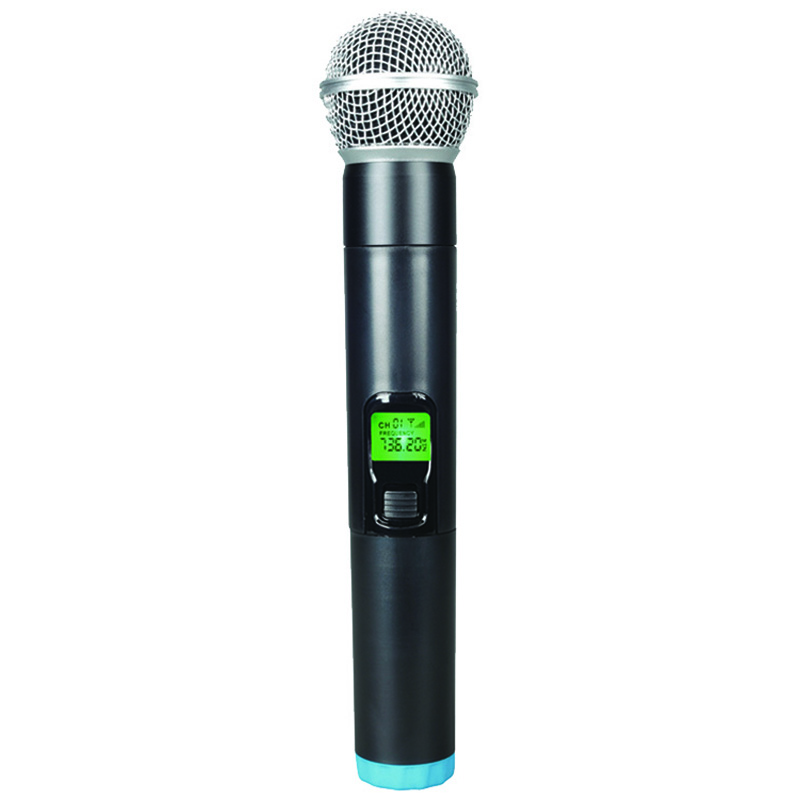
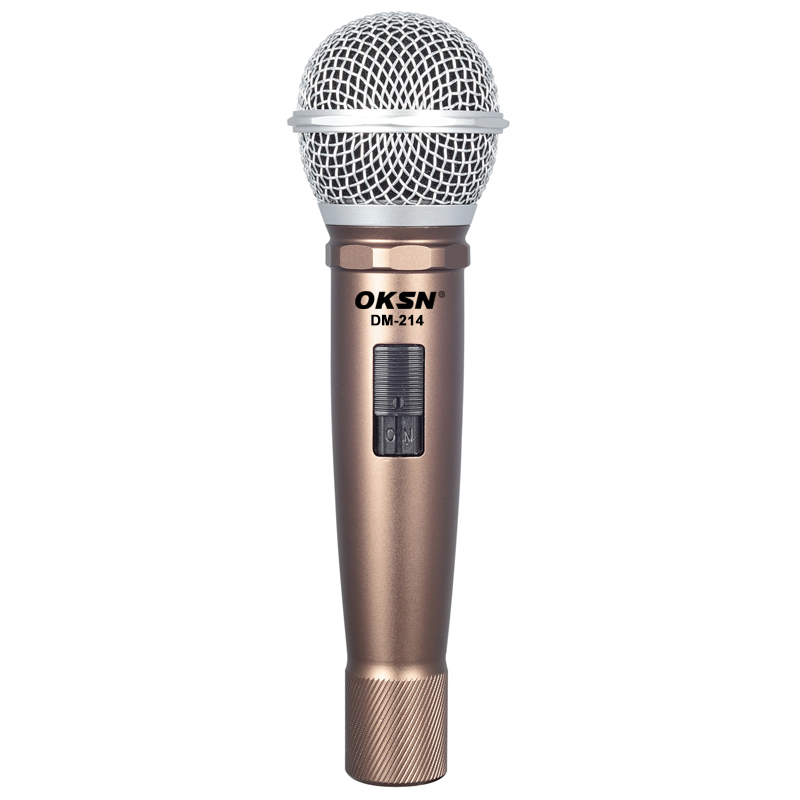
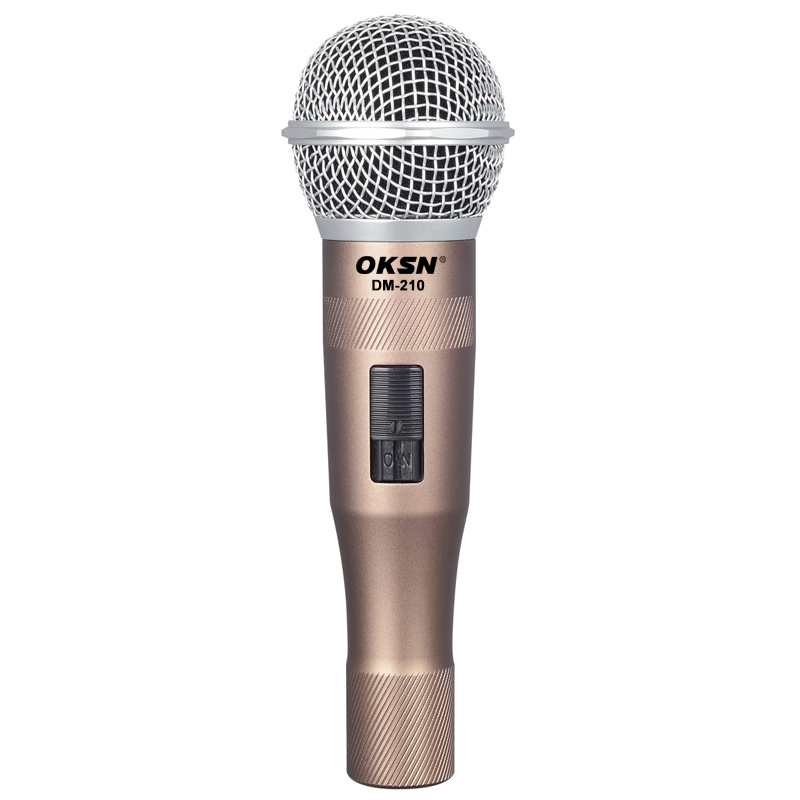
One of the primary reasons for the enduring popularity of the wired microphone is its simplicity. Unlike wireless microphones, which require batteries, transmitters, and receivers, a wired microphone needs only a cable and a compatible input. This straightforward setup makes it easy to use and minimizes the risk of technical issues. For professionals working in high-pressure environments, such as live broadcasts or concerts, the reliability of a wired microphone is invaluable.
Another significant advantage of the wired microphone is its superior audio quality. Because the signal is transmitted directly through a cable, there is no risk of interference or signal dropout, which can occur with wireless systems. This direct connection ensures that the audio remains clear and consistent, even in environments with high levels of electromagnetic interference. For recording studios, where sound quality is paramount, the wired microphone is often the preferred choice.
Durability is another key benefit of the wired microphone. Wireless microphones are often more fragile due to their complex internal components, such as circuit boards and antennas. In contrast, a wired microphone is typically built to withstand the rigors of frequent use, making it a reliable tool for touring musicians, public speakers, and broadcasters.
While wireless technology has made significant strides in recent years, the wired microphone continues to play a vital role in various industries. In live sound reinforcement, for example, wired microphones are often used for instruments and vocalists who remain stationary during a performance. Their reliability ensures that the audio remains consistent throughout the event, reducing the risk of technical difficulties.
In the world of podcasting and content creation, the wired microphone is a popular choice for its affordability and ease of use. Many entry-level podcasters opt for a wired microphone because it eliminates the need for additional equipment, such as wireless transmitters or rechargeable batteries. This simplicity allows creators to focus on their content rather than worrying about technical complications.
Recording studios also rely heavily on wired microphones for their ability to capture high-quality audio. Whether it’s a dynamic microphone for recording vocals or a condenser microphone for capturing the nuances of an acoustic instrument, the wired connection ensures that the signal remains pure and unaltered. This level of fidelity is essential for producing professional-grade recordings.
Even in the realm of gaming and streaming, the wired microphone has found a niche. Many gamers prefer wired microphones for their low latency and consistent performance, which are crucial for real-time communication during gameplay. Additionally, wired microphones are often more affordable than their wireless counterparts, making them an attractive option for budget-conscious streamers.


As technology continues to advance, some may wonder whether the wired microphone will eventually become obsolete. While wireless systems offer undeniable convenience, it is unlikely that the wired microphone will disappear anytime soon. Its reliability, durability, and superior audio quality ensure that it will remain a valuable tool for professionals and hobbyists alike.
Moreover, the wired microphone continues to evolve. Modern designs incorporate advanced materials and technologies to improve sound quality and reduce weight. Some models now feature USB connections, making them compatible with computers and digital audio workstations without the need for additional interfaces. These innovations ensure that the wired microphone remains relevant in an increasingly digital world.
The wired microphone is a testament to the enduring power of simplicity and reliability in audio technology. From its humble beginnings in the late 19th century to its modern applications in music, broadcasting, and content creation, the wired microphone has proven itself to be an indispensable tool. While wireless alternatives may offer greater mobility, they cannot match the consistent performance and superior sound quality of a wired microphone. As long as there is a need for clear, reliable audio, the wired microphone will continue to hold a prominent place in the world of sound. Whether you’re a professional musician, a podcaster, or a gamer, the wired microphone remains a trusted companion for capturing and amplifying your voice.


