
- All
- Product Name
- Product Keyword
- Product Model
- Product Summary
- Product Description
- Multi Field Search
Views: 9 Author: Site Editor Publish Time: 2024-03-19 Origin: Site
In the harmony of audio modern technology, microphones play the function of the conductor, capturing the essence of every note and verse with precision. As technology advances, the orchestration of sound has actually progressed, leading to the development of wireless microphones, with UHF (Ultra High Frequency) variants taking spotlight. This short article embarks on a journey with the sweet-sounding advancement of microphones, exploring the complexities of s while contrasting them with their wired and wireless counterparts.
Wired Microphones: The Time-Honored Conductor
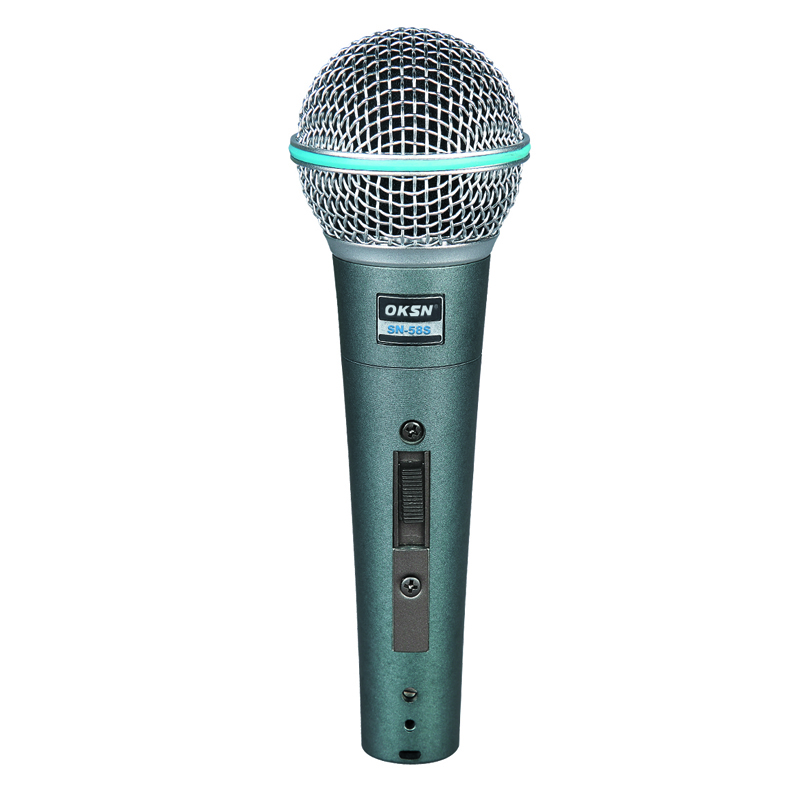
Prior to the period of cordless transmission, wired microphones stood as stalwarts in the realm of audio capture. Containing a physical cable that attaches the microphone to an amplifier or videotaping gadget, wired microphones offer reliability and stability in signal transmission. The direct connection makes sure minimal disturbance and latency, making them excellent for crucial applications such as workshop recording and live efficiencies where precision is critical.
Among the main benefits of wired microphones lies in their simpleness. Without any reliance on batteries or cordless signals, they boast a plug-and-play functionality, eliminating issues about signal failure or battery depletion mid-performance. In addition, wired microphones are typically a lot more economical than their cordless equivalents, making them available to a wide variety of customers, from amateur lovers to seasoned specialists.
Nonetheless, the connected nature of wired microphones imposes constraints on flexibility and versatility. Performers are constrained by the length of the wire, restricting their movement on phase and possibly causing wire complication-- an usual problem for artists in real-time settings. In addition, the presence of wires introduces the threat of stumbling dangers, necessitating mindful wire administration to guarantee security.
Wireless Microphones: Cutting the Cord
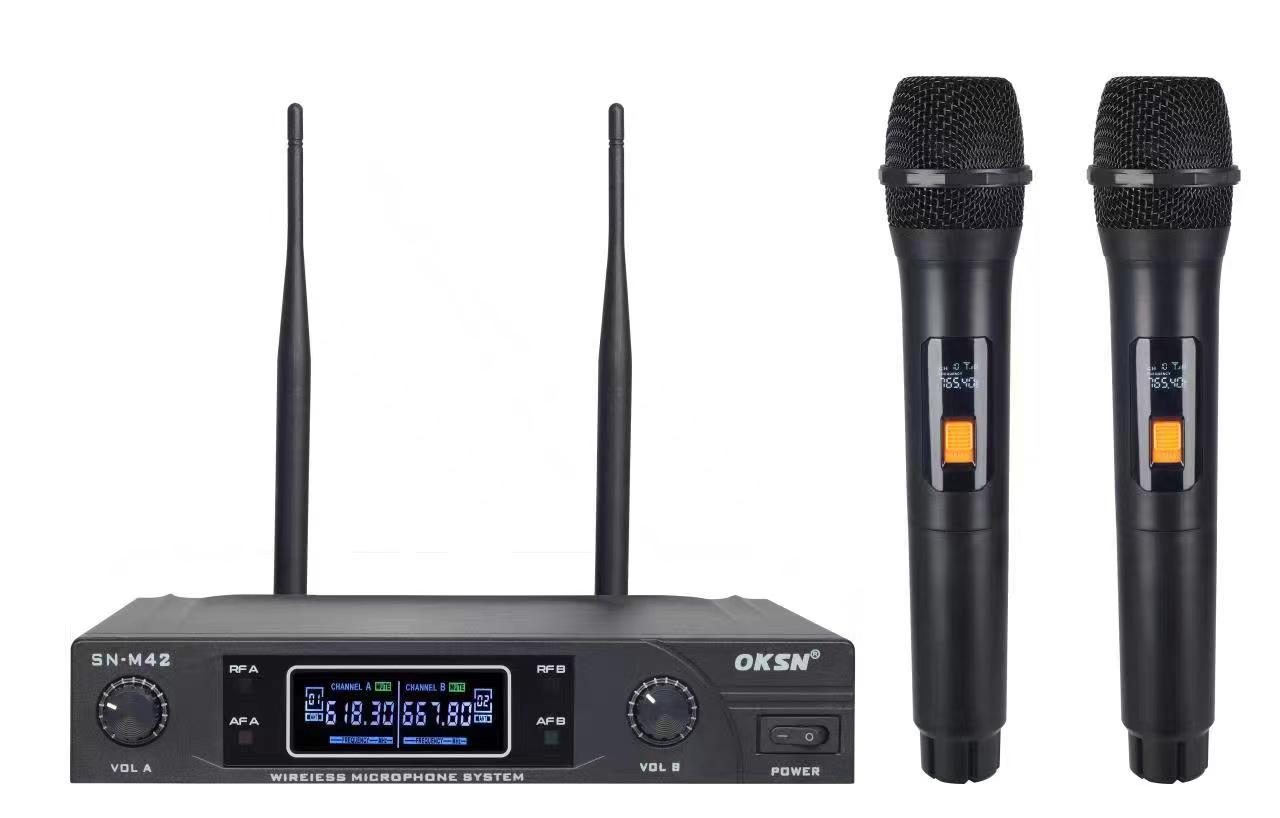
The dawn of wireless modern technology reinvented the landscape of audio equipment, introducing a newly found liberty of movement and flexibility. Wireless microphones use superhigh frequency (RF) or infrared signals to transfer audio data from the microphone to a receiver unit, removing the demand for physical wires. This newfound movement has changed efficiencies, enabling musicians to roam the stage unrestricted and involve with their target market dynamically.
Within the world of wireless microphones, UHF (Ultra High Frequency) variants have actually become the gold standard, providing remarkable signal top quality and variety compared to VHF (Very High Frequency) counterparts. Operating within the regularity variety of 300 MHz to 3 GHz, UHF wireless microphones are less vulnerable to interference from other cordless gadgets, resulting in more clear audio transmission and reduced failure rates.
One of the specifying functions of UHF wireless microphones is their flexibility in channel choice. With a more comprehensive series of available regularities, users can prevent congested frequency bands and maximize signal transmission in crowded RF atmospheres, such as concert locations and conferences. This flexibility guarantees trusted efficiency even in challenging scenarios, making UHF wireless microphones vital devices for professional sound applications.
Regardless of their benefits, wireless microphones, consisting of UHF variants, are not without constraints. The dependence on batteries introduces the threat of power deficiency mid-performance, requiring persistent battery monitoring to prevent disruptions. In addition, wireless systems are vulnerable to RF disturbance from exterior sources such as cordless routers, smartphones, and various other cordless tools operating in the vicinity. Appropriate regularity sychronisation and tracking are necessary to alleviate these risks and maintain signal honesty.
UHF Wireless Microphones: Grasping the Frequencies
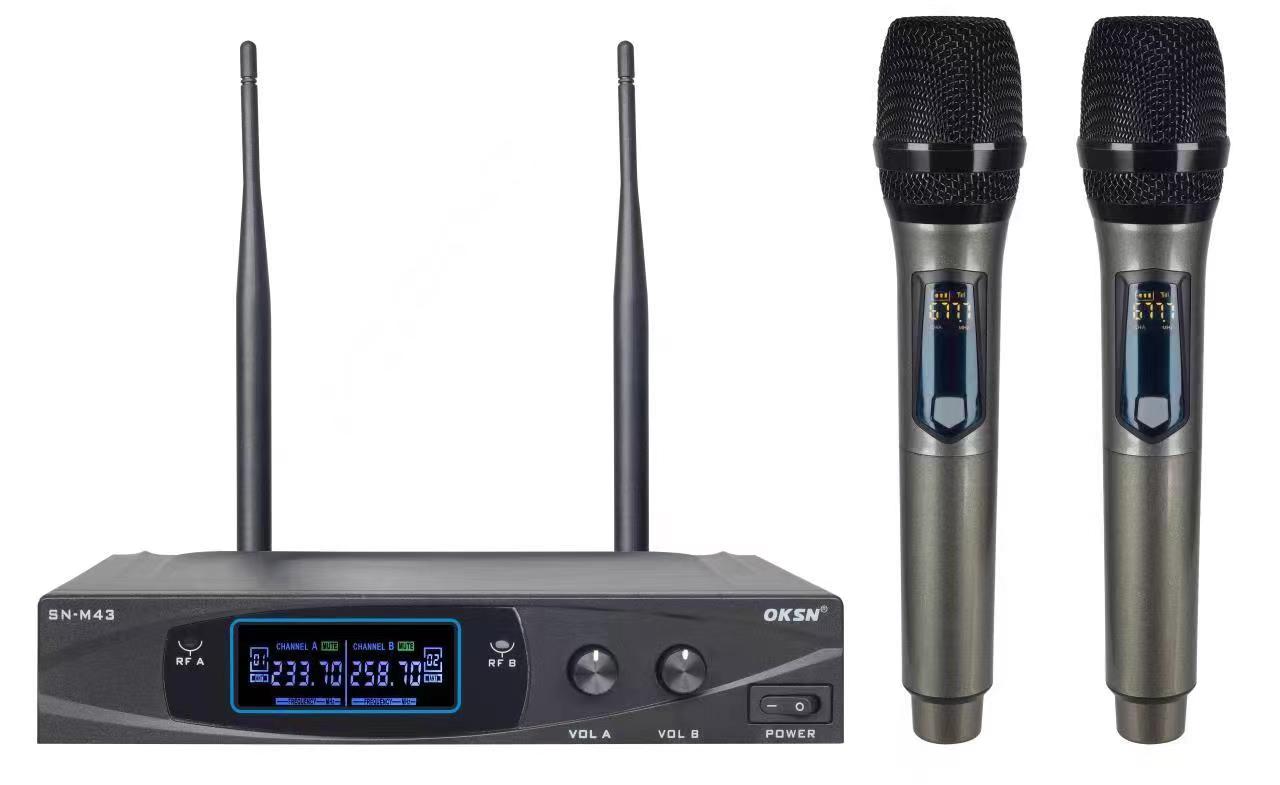
Within the range of cordless technology, UHF wireless microphones stick out as apotheosis of integrity and performance. Operating within the Ultra High Frequency range, typically between 470 MHz and 900 MHz, these microphones use unmatched signal security and variety, making them suitable for expert audio applications where quality is non-negotiable.
One of the essential benefits of UHF wireless microphones lies in their ability to penetrate challenges and go across long distances without signal degradation. This extended variety makes it possible for performers to wander openly throughout big venues without fear of signal dropout, guaranteeing consistent audio high quality from every edge of the stage. Additionally, UHF systems usually feature sophisticated diversity function techniques, such as antenna diversity and regularity variety, additionally improving signal robustness and minimizing the impact of RF disturbance.
The convenience of UHF wireless microphones expands beyond live performances, discovering applications in broadcast, movie production, and business discussions. The capacity to integrate several microphone channels within the very same regularity band promotes multi-channel audio configurations, allowing smooth assimilation right into complex stereo. In addition, developments in security and frequency dexterity modern technology improve protection and lessen the threat of unauthorized signal interception-- a critical consideration in delicate atmospheres.
In the quest of audio excellence, UHF wireless microphones continue to push the limits of development, incorporating attributes such as digital signal processing (DSP) and flexible frequency jumping to better improve efficiency and integrity. Whether catching the fragile nuances of a singing performance or intensifying the roaring roar of an online concert, UHF wireless microphones stand as testament to the unrelenting quest of sonic perfection.
Consistency in Variety
As the curtain falls on this exploration of microphone modern technology, it comes to be obvious that each variation-- wired, wireless, and UHF-- brings its special collection of benefits and restrictions to the grand harmony of sound. Wired microphones maintain practice with their unfaltering dependability and simpleness, while wireless microphones liberate entertainers from the shackles of cable televisions, enabling limitless imagination and expression.
In the world of cordless transmission, UHF wireless microphones become the epitome of performance and flexibility, providing unparalleled signal security and array across a myriad of specialist applications. With each technological advancement, the landscape of audio capture advances, enriching our acoustic experiences and elevating the art of audio recreation to brand-new heights.
In the orchestra of audio technology, every microphone plays a crucial duty, integrating to develop melodies that resonate with the spirit. Whether wired or cordless, each microphone acts as a conduit for human expression, commemorating moments in time with quality and accuracy. As we continue to introduce and fine-tune the tools of audio capture, the symphony of sound marches forward, embracing the melody of progression with open arms.


